
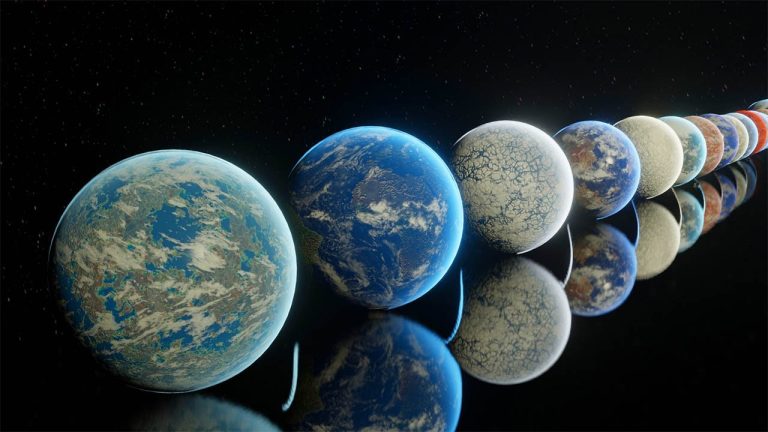
In the vastness of the cosmos, countless stars play host to an array of planets orbiting around them. Some of these distant worlds could potentially harbor life, and these are what astronomers refer to as exoplanets. Among these fascinating celestial bodies, a special category captures the attention of scientists and dreamers alike—the potentially habitable exoplanets. Kepler’s Treasures is a catalog that has provided invaluable insights into these promising worlds. Let’s embark on a journey of exploration into the depths of space and uncover the wonders of potentially habitable exoplanets.
Kepler Space Telescope
Kepler, a space telescope launched by NASA in 2009, was a revolutionary instrument for exoplanet research. Its primary mission was to search for planets beyond our solar system using the transit method, observing the periodic dimming of stars as planets passed in front of them. Kepler’s tireless observation of a small patch of the Milky Way allowed it to detect thousands of exoplanets, fundamentally altering our understanding of the cosmos.
Definition of Potentially Habitable Exoplanets
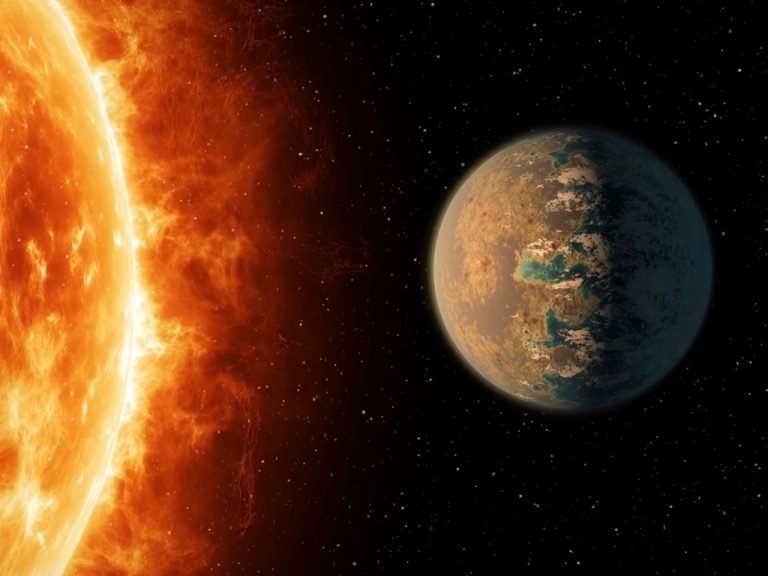
The quest for life beyond Earth centers around identifying potentially habitable exoplanets. These are worlds that exist within the “Goldilocks zone,” a region around a star where conditions are just right for liquid water to exist on the planet’s surface. Water, as we know it, is a fundamental ingredient for life as we understand it, making these exoplanets prime candidates for further study.
Kepler’s Catalog of Potentially Habitable Exoplanets
Kepler’s mission has led to the discovery of numerous potentially habitable exoplanets. The catalog includes detailed information about each planet’s size, orbital characteristics, and its position in relation to its host star. Some of the notable exoplanets in the catalog include Kepler-452b, often referred to as “Earth’s cousin,” due to its similarities in size and distance from its star.
Characteristics of Potentially Habitable Exoplanets

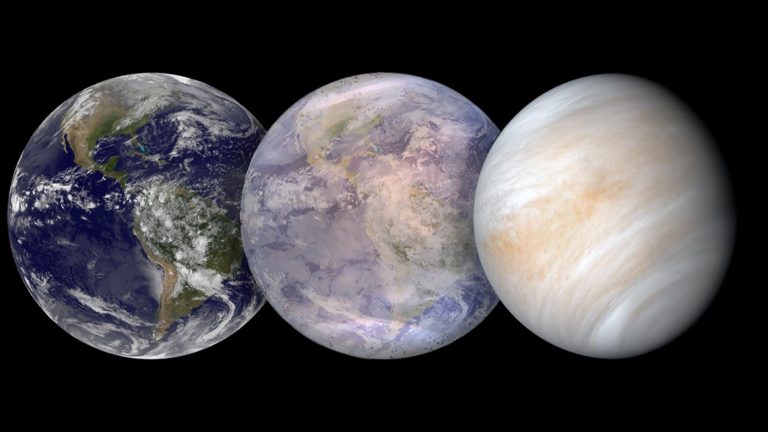
Beyond their position in the habitable zone, potentially habitable exoplanets boast diverse characteristics. Understanding the atmospheric conditions and the presence of water is crucial in assessing their habitability. Some of these exoplanets have thick atmospheres, while others might have a composition similar to Earth.
Challenges in Identifying Habitable Exoplanets
Identifying potentially habitable exoplanets is not without its challenges. Technological limitations and the complexity of interpreting data from distant exoplanets can lead to false positives and false negatives. The search for habitable worlds demands continuous refinement of techniques and advanced space-based observatories.
Ongoing and Future Missions
While Kepler has fulfilled its primary mission, the search for exoplanets continues with other missions like the James Webb Space Telescope. These future observatories will enable researchers to study exoplanets in greater detail and investigate their atmospheres for signs of life.
The Impact of Kepler’s Discoveries on Astrobiology
Kepler’s discoveries have ignited the field of astrobiology, inspiring scientists to question the existence of life beyond our planet. The possibility of finding extraterrestrial life raises intriguing questions about our place in the universe and the potential for interstellar communication.
Conclusion
Kepler’s Treasures have opened our eyes to the incredible diversity of exoplanets in the cosmos. From scorching hot gas giants to potentially habitable worlds, each discovery brings us closer to understanding our place in the universe. As technology advances and new missions take flight, the future holds the promise of unraveling even more celestial mysteries.




+ There are no comments
Add yours